
Solar batteries : understanding the key differences
There are several reasons why you might want to integrate a solar battery into your energy system. Whether for off-grid, hybrid, or commercial & industrial applications, we offer a range of batteries tailored to your needs—cost-effective and durable, from 2 kWh up to several hundred kWh.
Maximize energy use from solar panels:
Batteries enable you to store solar energy for use during the evening and nighttime. By installing a solar battery, you can significantly reduce your reliance on grid electricity (EDF), thus lowering your electricity bills. This approach optimizes solar self-consumption (hybrid), working seamlessly with your photovoltaic solar panels.
Peak and off-peak tariff management:
Without a solar battery, peak-hour electricity rates can notably increase your electricity costs. However, a battery system with adequate energy storage capacity (measured in kWh), combined with sufficient solar panels, allows you to draw on stored energy during peak pricing hours, reducing your overall expenses.
Some advanced battery systems, such as those by SIGENERGY, can intelligently manage energy consumption and storage by strategically charging from the grid during off-peak hours when beneficial. For instance, if weather forecasts predict insufficient sunlight the following day, the system can preemptively charge batteries from grid electricity, ensuring optimal energy availability.
Energy independence through solar batteries (backup power):
All our battery solutions are capable of standalone operation—functioning independently from grid power. They offer partial or complete backup functionality, ensuring continued power supply to essential loads within your home. If a grid outage occurs during daylight hours, you will continue to benefit from uninterrupted solar energy produced by your panels.

Which are the different types of solar batteries ?
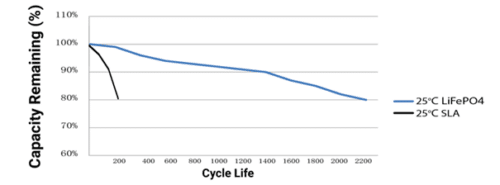
Solar batteries have undergone significant development, marked by the decline of older technologies such as GEL and lead-acid batteries (brands like Hoppecke, Victron Energy, Enersys, etc.). GEL batteries, once popular due to their gel-based electrolyte, along with AGM (Absorbed Glass Mat) batteries—although low-maintenance and relatively long-lasting—are now considered outdated.
Their performance and lifespan, generally between 800 and 900 cycles for GEL batteries and up to 10 years for AGM, have been surpassed by advances in lithium-based batteries. Similarly, traditional flooded lead-acid batteries, despite their economical price, demand extensive maintenance and are limited by their non-sealed design.
A noteworthy development in lead-acid technology is the introduction of lead-carbon composite batteries. By integrating carbon into lead plates, this innovation enhances battery durability and performance, reduces sulfation, and extends recharge cycle counts. Such batteries offer a viable compromise between cost and energy efficiency, although they still do not match the superior performance of lithium-based batteries.
Traditional lead-acid batteries continue to be sold in entry-level solar kits today, while AGM batteries remain popular due to their low cost, particularly for recreational vehicles and campers.
However, ongoing advancements in battery materials and energy-management technologies promise further improvements that could eventually reduce the dominance of lead-acid technologies.
Technical superiority of Lithium-ion Solar Batteries:
Thanks to their compactness and extended lifespan, lithium-ion solar batteries have quickly become the preferred technology for solar energy storage. Offering significantly higher energy efficiency and much longer lifespans compared to GEL and lead-acid batteries, they mark a turning point in solar energy storage. Lithium batteries incorporate an electronic battery management system (BMS) that optimizes charging and discharging based on the voltages of solar panels and inverter-chargers. Capacities vary from 2 to 10 kWh per unit, depending on the battery brand, with discharge power reaching up to 5000W for certain models. The quality of the BMS notably influences battery lifespan and effective energy discharge capacity.
Alternative battery technologies: Nickel-Iron, Lithium Titanate, and Sodium-ion:
In parallel, other emerging battery technologies include Nickel-Iron, Lithium Titanate, and Sodium-ion.
Nickel-Iron (NiFe) batteries, renowned for robustness and longevity, excel in enduring deep charging and discharging cycles without significant degradation, while supporting rapid discharge when necessary. Ideal for off-grid solar systems, they deliver up to 8,000 cycles, can safely discharge to 0%, and allow electrolyte renewal. Their cost is around €600 per kWh.
Lithium Titanate (LTO) batteries offer extremely rapid charging capabilities and an extended lifespan, even in harsh climatic conditions. Although expensive, lithium titanate batteries feature the best warranty on the market (20 years for brands such as Zenaji)—10 times longer than typical AGM lead-acid batteries like Hoppecke or Victron. However, their cost is roughly three times higher than conventional lithium batteries.
Finally, Sodium-ion batteries are emerging as an affordable, environmentally sustainable alternative. Still under development, they are considered promising for large-scale applications due to low production costs and the abundance of sodium. Their energy capacity remains somewhat lower than lithium solar batteries, with an energy density of approximately 130 Wh/kg, compared to around 160 Wh/kg for LiFePO batteries.
The shift toward more advanced battery technologies—particularly Lithium-ion, Nickel-Iron, Lithium Titanate, and Sodium-ion—reflects continuous progress in solar energy storage. This transition promises enhanced efficiency, improved durability, and reduced environmental impact, paving the way toward a more sustainable and advanced era of solar energy.
Why lithium-ion batteries are superior to lead-acid (AGM, OPZs) ?
The most significant difference between lithium battery technology (such as LiFePO) and AGM/GEL lead-acid batteries like those from Hoppecke or Enersys lies in their charge/discharge performance. The graph below illustrates capacity as a percentage of the nominal capacity relative to the discharge rate (power output). At very high discharge rates, AGM/GEL lead-acid batteries typically provide only around 60% of their rated nominal capacity.
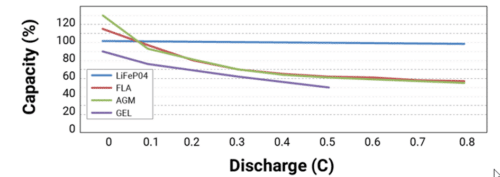
Therefore, in solar energy systems experiencing frequent or high peak discharges, a lithium battery with a lower nominal capacity may offer greater usable capacity compared to a similarly sized lead-acid battery. In other words, although lithium batteries are initially more expensive at equivalent nominal capacity, you can actually select a lower capacity lithium battery since there’s no need to oversize it to handle high discharge peaks.
How does a solar battery work ?
A solar battery can be visualized as an electrochemical “sandwich” designed for storing energy. On one side, there’s the anode, and on the other, the cathode.
Between these two electrodes lies an ionic conductive interface known as the electrolyte, along with a separator.
Within the battery, negatively charged electrons accumulate at the anode. Naturally, because opposites attract, these electrons seek to move toward the positively charged cathode. The electrolyte acts as a buffer, preventing electrons from taking the shortest route within the battery—avoiding what would otherwise be an electrical short circuit.
Connecting the anode and cathode externally through a wire allows electrons to flow. This flow of electrons is what we commonly refer to as electricity.
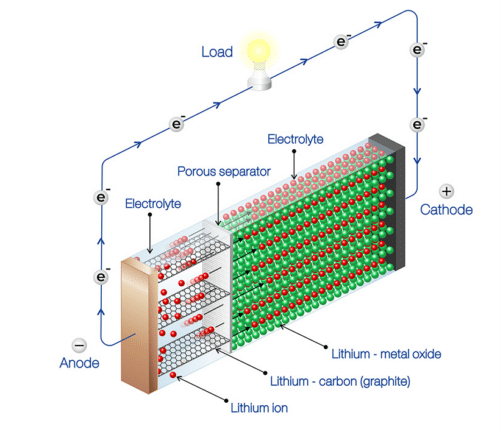
In rechargeable batteries (technically known as “secondary” batteries, in contrast to single-use cells), an external energy source—such as solar panels—is used to reverse the current flow. Energy is thus stored (measured in kWh) for later use or recharging via solar panels.
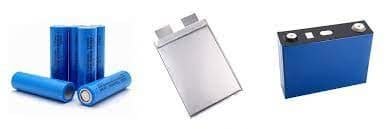
Modern lithium-ion solar batteries offer multiple configurations for arranging the cathode, anode, and separator layers. Usually, these components are rolled into cylinders known as battery cells. A typical residential energy storage system may comprise thousands of these cylindrical cells. Alternatively, cells can have a rectangular form, termed “prismatic.” Finally, there are pouch-cell designs, notably used by manufacturers like Pylontech, but these are less durable.
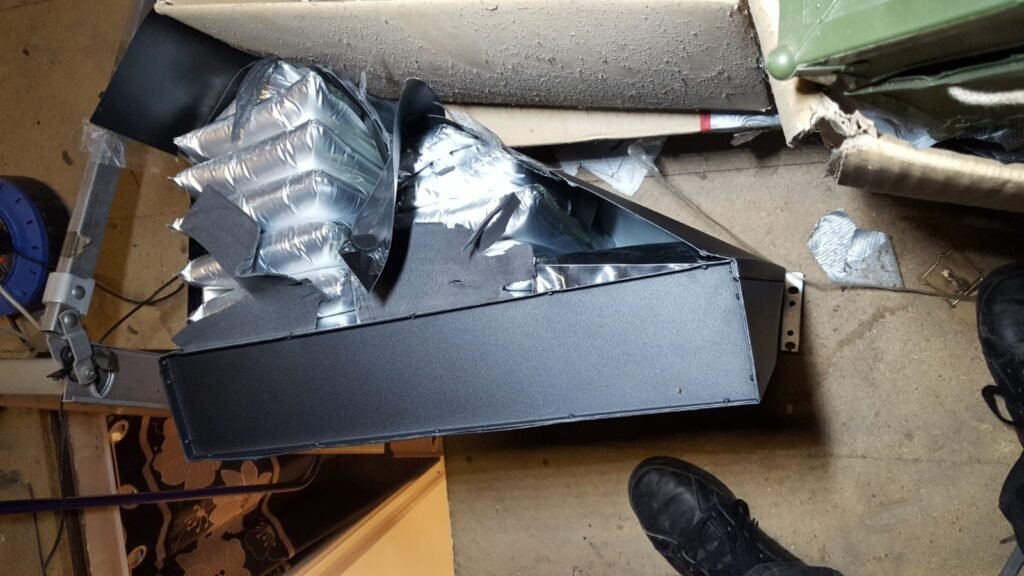
A faulty Pylontech battery. The BMS wasn't able to perform correctly it's balancing job, resulting in bulging cells.

Inside a Pylontech, there's actually 3 packs like this one, comprised of thin, pouch-like cells. The advantage is compactness, but the main issue here is thermal stability (not allowing venting between cells).
Make the difference between kW and kWh !
In our solar autonomy guide, we explained the distinction to be made between power and energy density (or capacity). I’m including here again the bathtub diagram, which is easy to understand:
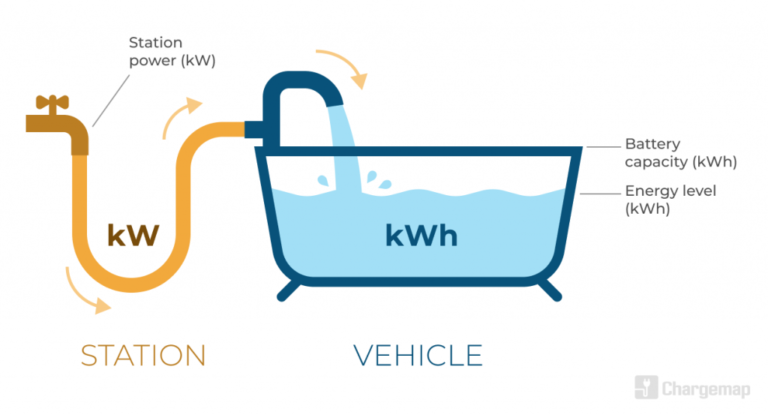
When it comes to batteries, a useful analogy is that of water flowing through a pipe into a container—except the water represents electricity, and the power is the flow rate:
Power (kW) is the rate at which water flows through the pipe, into or out of the container.
Energy (kWh), or capacity, is the amount of water the container can hold.
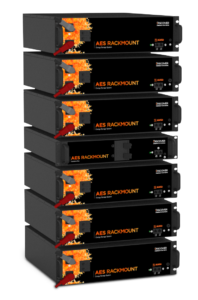
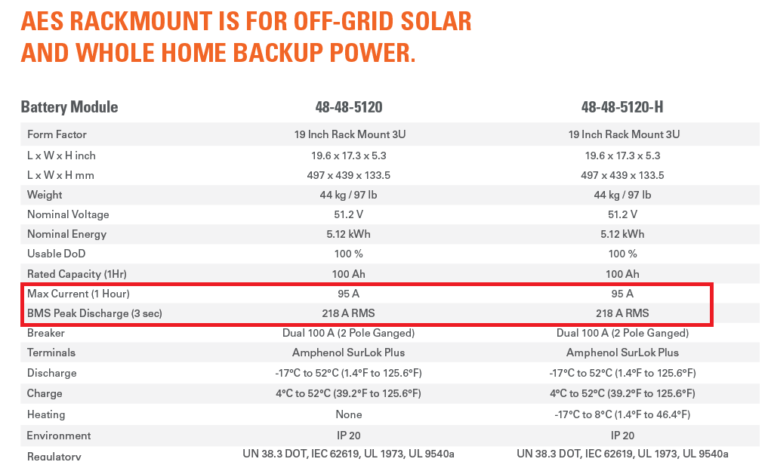
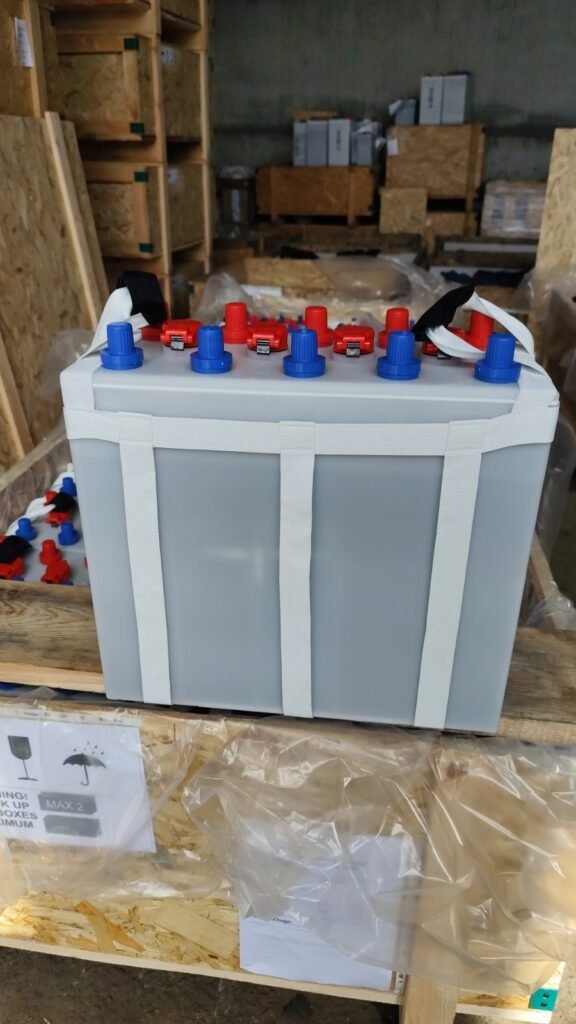
Most lithium-ion solar batteries have a continuous maximum power output between 3 and 15 kW. A AES Rackmount 48-5120 for example, has a continuous power output of 95A (95A x 48 = 4.5 kW), and up to 5 kW at peak (which equals to 2.2C, which is a LOT of power).. If I ever want to get 10 kW of power from my battery system, I will need to add a second battery.
Which technology to choose ? Nickel-Iron, LFP, NMC ...
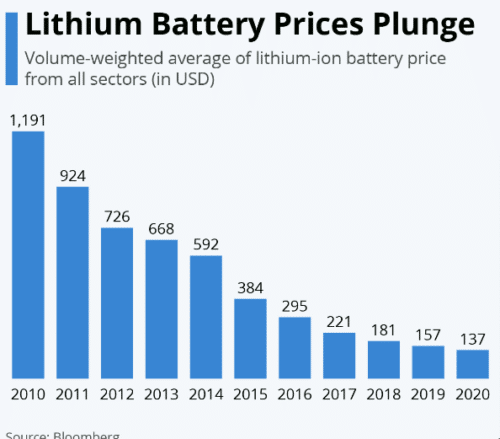
Just a few years ago, when people talked about battery storage, it was very likely in the context of an off-grid setup. And for good reason: the price of lithium-ion batteries, in particular, was 4 to 6 times higher than it is today.
About ten years ago, the dominant technology was still lead-acid (notably OPzS models from brands like Victron and Hoppecke). There were also AGM and GEL batteries, both also based on lead-acid technology. Lead-acid technology had several drawbacks (bulkiness, limited lifespan, gas emissions, poor tolerance to deep cycling, etc.) and required regular maintenance, which made things more complex. Moreover, despite their seemingly low upfront cost, the usable capacity was quite limited, as the maximum discharge depth was only about 30%—a constraint necessary to maintain a decent lifespan.
The price of lithium batteries has since dropped dramatically, now down to 139 USD per kWh (Bloomberg article).
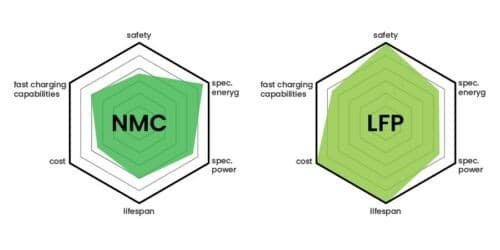
The two main lithium technologies are nickel-manganese-cobalt (NMC) and lithium iron phosphate (LiFePO₄). For instance, the TESVOLT HV uses Samsung SDI NMC cells, while residential-use batteries like Pylontech or BYD exclusively use LiFePO₄.
Each battery has its own specific characteristics, but LiFePO₄ generally stands out for its higher cycle life, thermal stability, and longer lifespan. It’s the perfect balance between price, longevity, and performance, although you’ll be able to find even more durable batteries (lithium-titanate for example) but the cost per kWh will be dramatically higher.
Lithium LIFEPO4 batteries : the best bang for your buck :
Solar batteries based on LFP (lithium iron phosphate) chemistry are free from cobalt and other strategic metals, making them more environmentally friendly and sustainable from a cradle-to-gate perspective—that is, across the entire life cycle of the battery from raw material extraction to recycling.
Edison battery (Nickel-Iron) : multi-decade lifespan ?
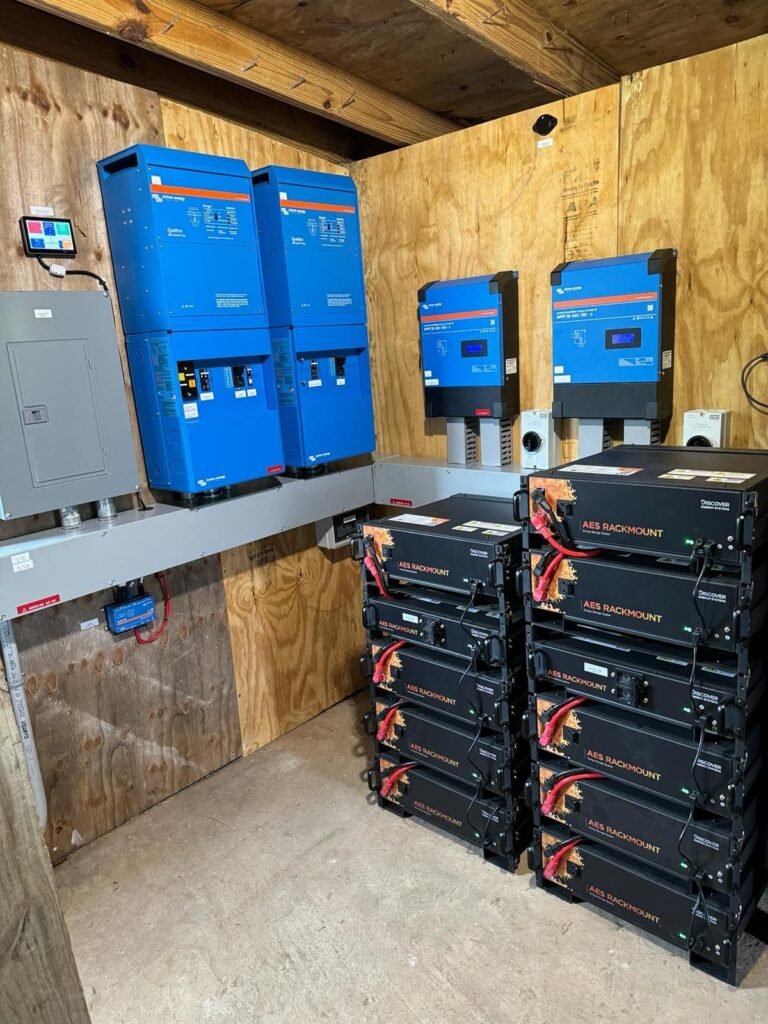
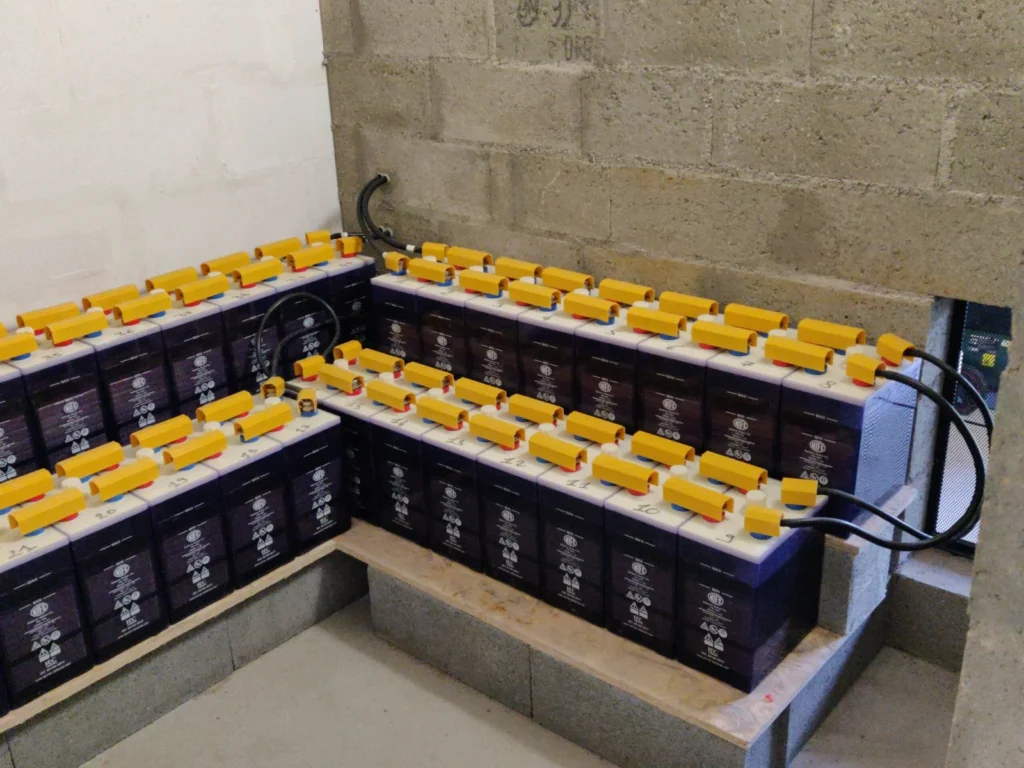
Other technologies also exist, such as the Nickel-Iron battery, which we have been offering since 2018. It combines unmatched robustness and simplicity, making it ideal for niche applications—especially off-grid sites. These are very specific types of batteries: they are indeed bulky and require regular maintenance, but they offer an almost unlimited lifespan. Moreover, they do not require a BMS, which is a major advantage for those who favor low-tech designs. Their main drawback is relatively low global round-trip efficiency, compared to li-ion chemistries, and the need for frequent maintenance. They also require deionized water for rewatering (electrolyte is loss during recharge).
Warranty terms, make sure to read them thoroughly !
Reading battery warranty contracts can be tedious. Here are the key points you should understand about any energy storage system you’re considering purchasing:
1. EOL, or expected battery degradation :
Battery degradation (“EOL”) is a key criterion for assessing the number of usable cycles!
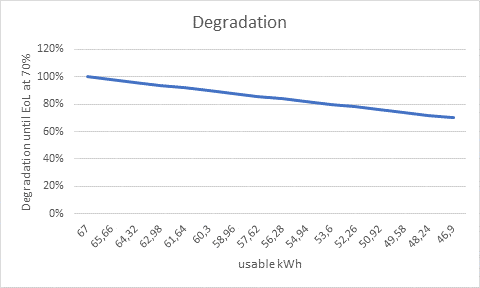
What will be the battery’s remaining capacity at the end of its warranty period? A typical value is 70% after 10 years—this is what’s referred to as “EOL” (End of Life). Manufacturers provide charts (cycle life curves) showing how many cycles the battery can perform before its residual capacity drops below this EOL threshold.
For example, with TESVOLT solar batteries, the warranty covers 6,500 full cycles at 100% depth of discharge over 10 years. In other words, you can discharge the battery fully 6,500 times within 10 years and still expect to retain at least 70% of its original capacity at the end of that period!
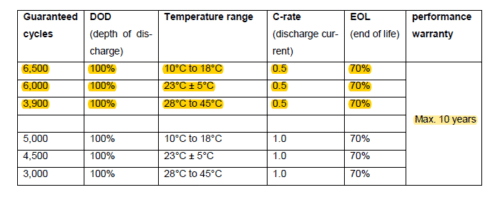
Excerpt from TESVOLT's warranty terms.
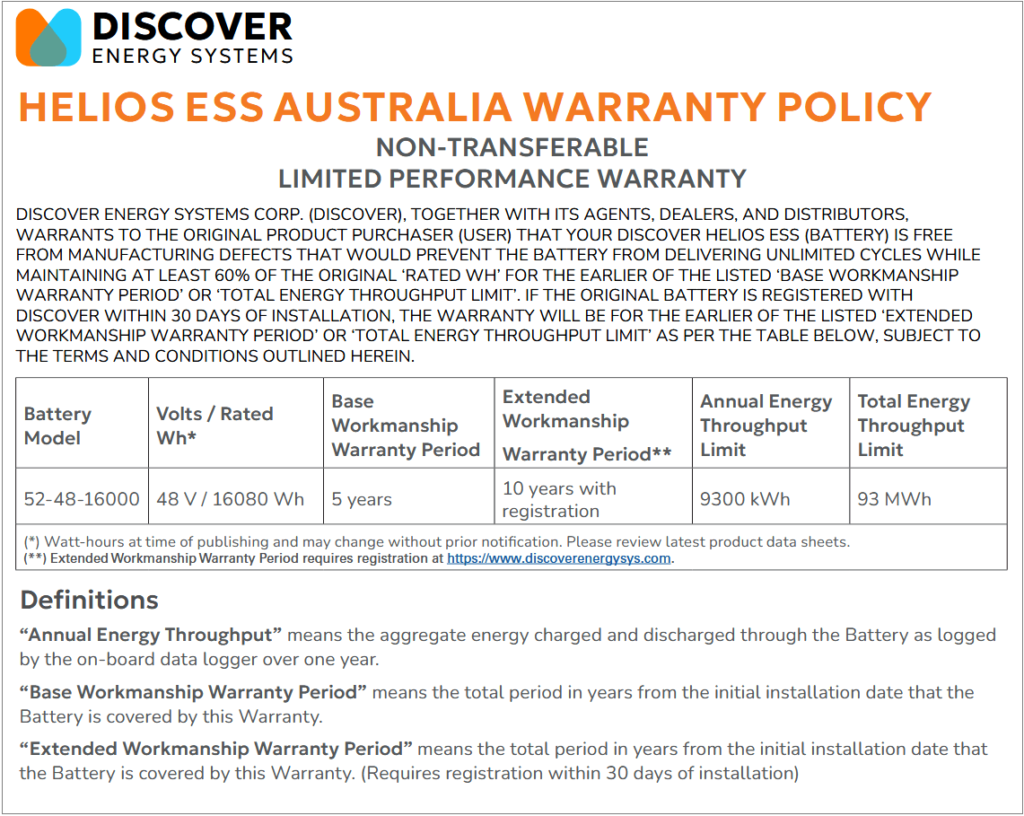
Excerpt from AES Discovery HELIOS warranty terms.
Another way to interpret this is to consider that under standard residential use, a battery is cycled about 280 times per year in full cycle equivalents (i.e., 100% Depth of Discharge, or DOD). This is due to seasonal variation—batteries are typically less used in summer and more heavily cycled in winter.
So, a DISCOVER AES HELIOS battery guaranteed for a total energy throuput of 93 MWh (= 93 000 kWh) s would, in practice, allow for approximately:
93 000 / 16 = ~5810 cycles count. 5810 / 280 = 20 years of operation before major degradation occurs. This is in line with our on-field data collected from many off-grid sites during the past 7 years, including various lithium manufacturers (BYD, Pylontech, TESVOLT).
2. SOH, your battery's health is crucial !
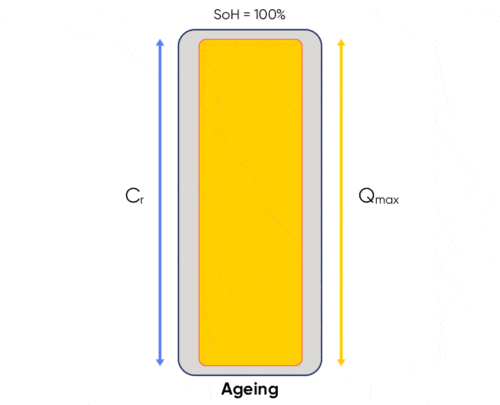
The other important concept to understand is SOH, which stands for State of Health—it reflects the residual capacity of the battery.
For example, an SOH of 98% means the battery retains 98% of its original capacity. As the battery ages and is cycled, this number gradually decreases.
A battery reaches its EOL (End of Life) when its SOH drops to 70-60%, which is the typical threshold defined by manufacturers. So:
A battery with an SOH of 98% is still far from its EOL—it has only lost 2% of its usable capacity.
It’s also important to keep in mind that the manufacturing quality of a lithium cell significantly impacts its calendar life—that is, its lifespan regardless of usage (whether it’s cycled or not).
For example, with TESVOLT, the projected degradation is very low: the battery is expected to retain around 70% capacity after 16 years of intensive use at 100% DOD.
This is consistent with our real-world experience: one of our off-grid installations, equipped with a TESVOLT battery and running for over 4 years, still shows an intact SOH (State of Health)—a testament to its durability.
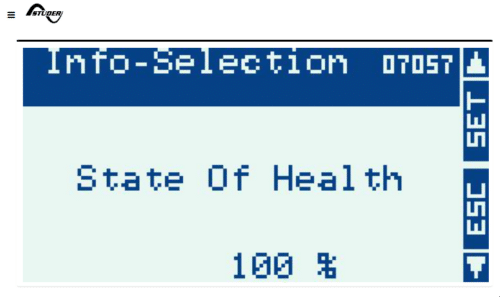
Below you will find a picture of the SOH reading from one of our off-grid system (Studer-based) with batteries that have been in service for 4 years. The battery in question is a TESVOLT TS48V equipped with Samsung SDI cells. The capacity remains at 100%, which is a strong indicator of an exceptionally long lifespan ahead.
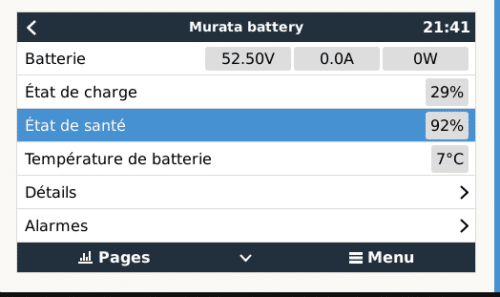
Another system, another story, this time with Pylontech batteries connected to a Victron based system. The degradation rate is much higher, standing at 92%, after 4 year of services. Temperatures were normal so the degradation wasn’t due to the environment.
In conclusion, it's essential to fully understand the implications of the technical choices you make when selecting your solar battery. This will impact not only the safety of your system, but also its profitability and long-term performance. Not all batteries are created equal !
Julien ALLERA